
Picquart’s Awakening
An Officer and a SpyThis thread follows Georges Picquart from a trusted participant in Dreyfus’s punishment to the officer who recognizes the case’s central falsehood and acts against it.
increasing Bearing strength in each event
 decreasing
Bearing strength in each eventdecreasingThe Degradation
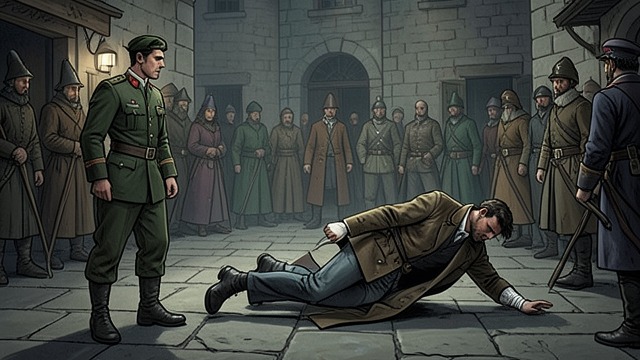
The Degradation
A public spectacle
Georges Picquart watches Alfred Dreyfus stripped of his military rank before a hostile crowd at École Militaire. He reports the event to Auguste Mercier with cold precision.
Complicity
Picquart accepts the army’s account of guilt and even describes Dreyfus through the prejudices of his fellow officers. His later change begins from inside the system he has helped serve.
A Secret Appointment
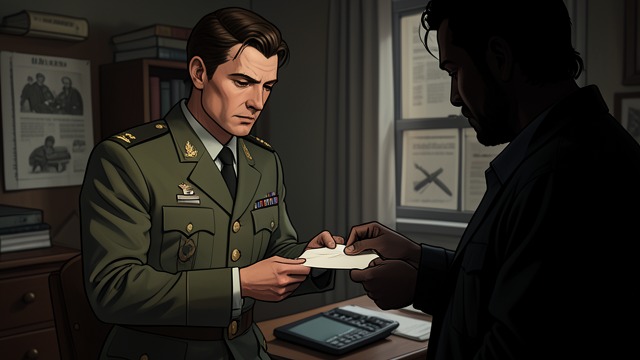
A Secret Appointment
Promotion and duty
Charles-Arthur Gonse offers Georges Picquart command of the Statistical Section and promises rapid advancement. Picquart accepts despite disliking espionage work.
A compromised inheritance
He enters a hidden service built on surveillance, intercepted correspondence, and informers. The appointment gives him authority but also makes him responsible for practices he has not yet examined critically.
The Petit Bleu
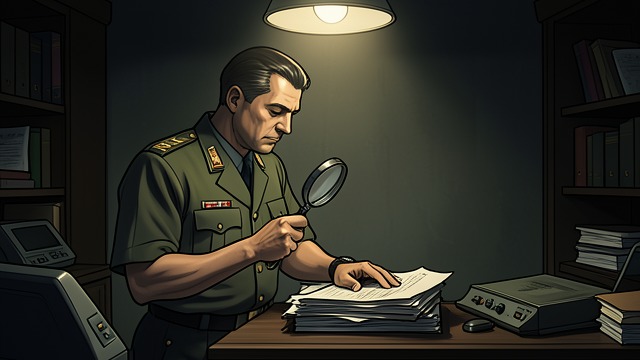
The Petit Bleu
A new suspect
Fragments of the petit bleu addressed to Charles Ferdinand Walsin Esterhazy emerge from material collected at the German Embassy. Picquart recognizes a possible spy inside the French Army.
A controlled inquiry
He keeps the discovery from his superiors, investigates Esterhazy independently, and builds a case from financial desperation, suspicious military interests, and embassy visits. His private inquiry begins to challenge the accepted Dreyfus verdict.
The Handwriting Match
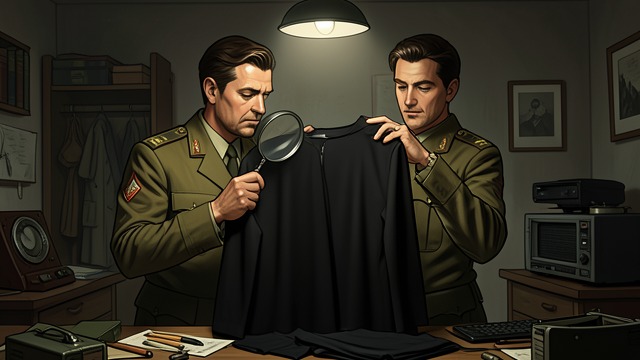
The Handwriting Match
The evidence turns
Esterhazy’s transfer application letters resemble the bordereau that convicted Alfred Dreyfus. Alphonse Bertillon confirms that the handwriting is identical.
A second meaning
The match shifts Picquart’s inquiry from suspicion to a direct challenge to the original prosecution. The document once treated as proof against Dreyfus now points toward another officer.
The Same Case
The Same Case
Refusal from command
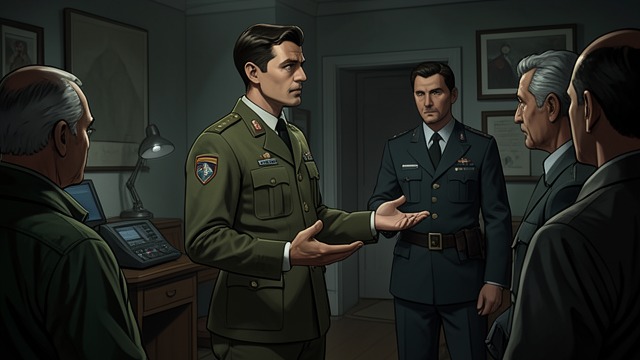
Georges Picquart brings his findings to Raoul le Mouton de Boisdeffre, Charles-Arthur Gonse, and Auguste Mercier. They direct him to leave Dreyfus out of the inquiry.
Conscience takes command
Picquart recognizes that investigating Esterhazy without addressing Dreyfus would preserve a known injustice. He chooses to proceed, placing truth above the career and institutional protection he once sought.
5 January 1895
January 1895
March 1896
August 1896
Autumn 1896
